
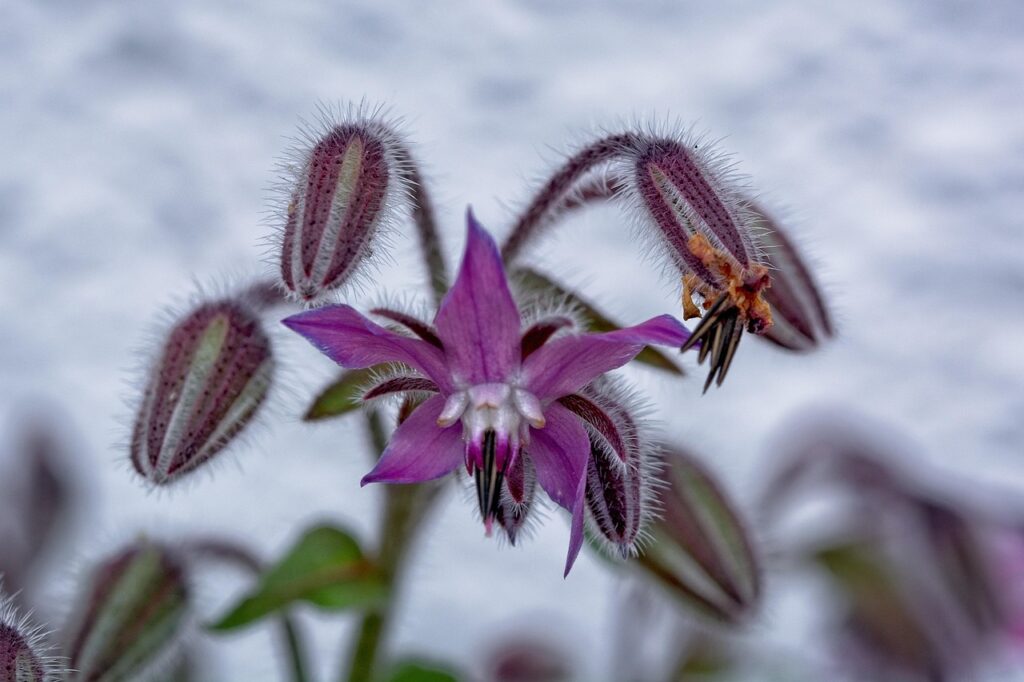
The track west of Orxeta looked harmless until it kicked up into pale rock and thyme. Mid-morning, 27°C, light breeze, thin cloud. Clare arrived in a sun-bleached hatchback with a jeweller’s loupe on a lanyard and a notebook older than mine. We were here for the nameless thing I clocked last week, a spiky rosette pretending to be nothing. I wanted an ID. Clare wanted a decent look at the stem before any guesses.
How we actually did the ID (no drama, just the steps)
- Don’t pick first. Photos in situ: habit shot, crown close-up, side profile, leaf underside, basal rosette, and one with a scale (Clare uses a pen; I use my thumb).
- Context matters. Aspect (south-east), slope (15-20%), substrate (calcareous scree with pockets of gritty loam), companions (thyme, teucrium, a young cistus).
- Touch test. Leaf surface (slightly rough), margin (minute teeth), sap (none obvious), smell (green, not sagey).
- Inflorescence check. Buds forming on a central spike, bracts tight. Clare: “Let it open before you swear it’s an echium.”
- Only then consider a sample. One spent floral stem from a look-alike nearby for comparison, bagged with location and time.
Field-notes template I’m now using
- Location (coords if you like), elevation, date/time, weather.
- Habitat (slope, shade, soil feel; dry it on your palm – does it clump or run?).
- Associated species (two or three you can name).
- Plant notes: height, spread, leaf arrangement (opposite/alternate/rosette), texture, scent, any latex, hairs.
- Reproductive bits: buds/flowers/fruits; colour you actually see, not what you think it “should” be.
- Photos: wide, medium, detail, underside, with scale.
- Provisional guess + confidence 1-5.
- Next action: revisit date, what to check, who to ask.
What Clare thinks it might be (and why she’s not betting yet)
She’s leaning toward a young biennial in the borage family. The rosette, the forming spike, the leaf feel – it all nudges that way. But the bract structure doesn’t fully match what she sees on the usual Alicante hillsides, and the timing is a hair off for some species here. So: no label today. We log, we return, we learn.
Gear that helped (and what didn’t)
- Did help: hand lens, soft brush for dusting leaf surfaces, a cheap soil moisture probe (just to sanity-check the “it’s dry” assumption), and a paper map as backup.
- Didn’t help: my excitement. Rushing makes bad notes. We sat, drank water, and wrote like we had all day.
If you want to try this, here’s a simple, safe workflow
- Pick a patch you can revisit easily.
- Take notes first, guesses second.
- If in doubt, photograph. If still in doubt, leave it.
- Share a single clean photo set with your local group; accept that “I don’t know yet” is a perfectly good answer.
On the way back, we stopped at the lay-by where fennel crowds the ditch. I admitted I’d been fiddling with the Mijas layout again, moving the rosemary hedge two metres south on paper because the wind chews that corner. Clare said that’s not “fiddling,” it’s learning. She asked about the little project tying Ireland and Spain together – a planting that felt like home but could handle this sun. I told her I’d found my anchor and promised to write it up next.
Related Reading