
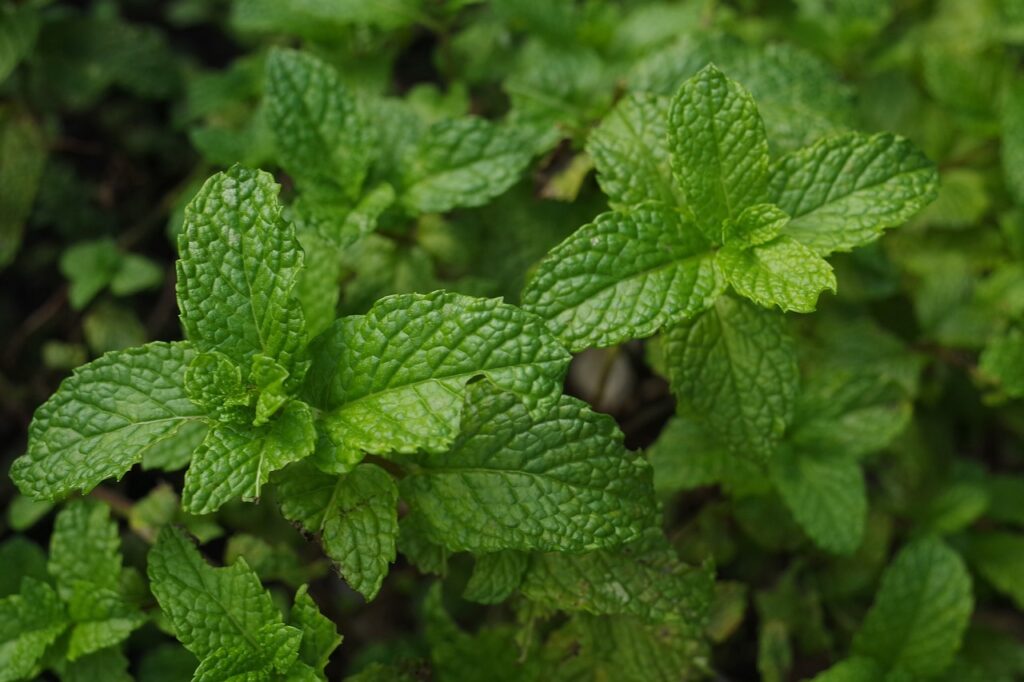
I thought mint would be my easy win. Back in Wicklow, it was the plant you had to keep in a pot unless you wanted it running under the fence and into the neighbour’s lawn. Here in Andalucia, it looked like it had signed its own death warrant before June was over.
I’d planted a small pot in spring with visions of tall glasses of té moruno — the mint-heavy Moroccan tea they serve in Granada. By mid-June, the leaves had wilted into a sad rattle of stalks. I moved it into shade, then more shade, then set the whole pot in a basin of water every morning like a Victorian invalid.
Antonio leaned over the terrace wall one afternoon, his straw hat pulled low. “Hierbabuena?” he asked, though the label made it obvious.
I told him yes, and that it had been so easy in Ireland. He smiled — the slow kind of smile that means, I know where this is going. “She likes company,” he said, pointing at his lemon trees. “Damp roots, morning sun, no all-day heat.” He made a fanning gesture, as if even plants needed a siesta.
Max, never one to miss a gardening moment, wandered over and drank half the mint water in one go, then sneezed it all over my foot. Antonio laughed, which didn’t help.
The Royal Horticultural Society calls mint “vigorous” and “hardy” (RHS mint guide), but that’s in a climate with soft rain and mild summers — not 38°C afternoons and dry winds. Here, it’s practically a shade-loving annual unless you’re near a stream.
So I dug a space under the smallest lemon tree, eased the mint in, and gave it a long drink. By evening it was standing straighter, maybe even plotting survival.
Whether it lasts the summer is anyone’s guess. But if it does, it’ll be because I stopped treating it like an Irish thug and started listening to Antonio — which, as I’m learning, is the fastest way to keep anything alive out here.