
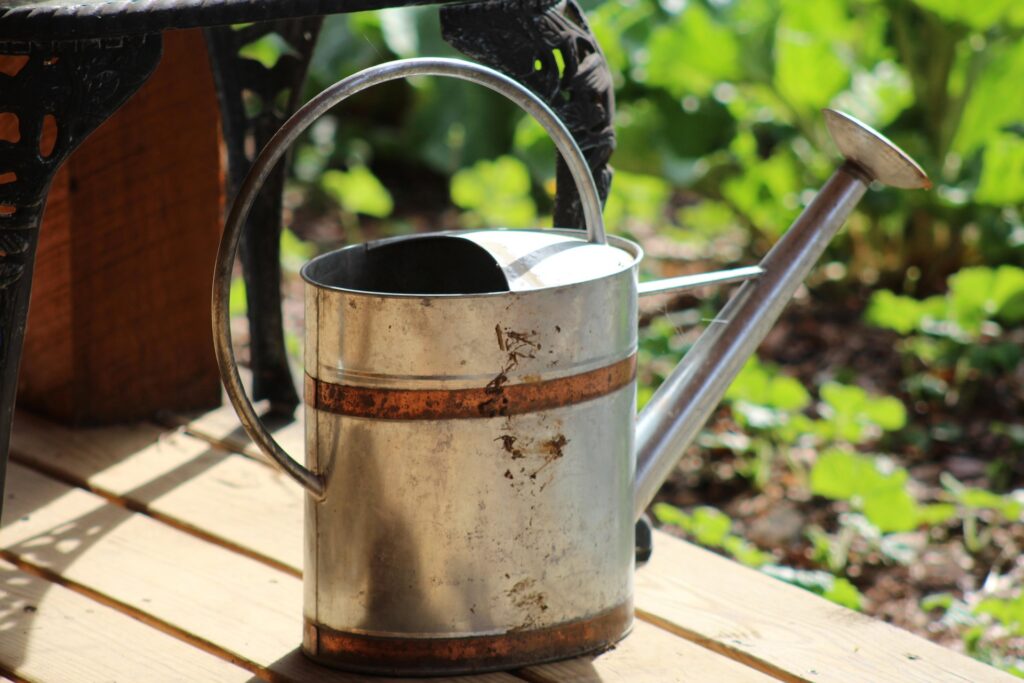
I realised I was watering the rosemary when Miguel asked what I was doing.
“Watering the rosemary,” I said.
He looked at the plant. Then at me. Then back at the plant.
It was not a complicated question but his face suggested I had misunderstood it.
The rosemary had been there longer than I had. Its stems were thick and woody. It had survived previous summers without my help and probably preferred things that way. Yet there I was giving it a generous drink because the temperature had climbed and watering felt like the responsible thing to do.
Miguel pushed a finger into the soil beside it.
“Still wet,” he said.
He was right.
I had been watering almost everything on the same circuit. Citrus first, then the pots by the wall, the mint in partial shade and finally anything in the ground that looked remotely tired. I did it early in the morning before the heat became uncomfortable. On particularly hot days I checked everything again in the evening.
It was becoming less like gardening and more like a patrol.
Not every plant was asking for help
Summer gardening in Ireland had taught me to respond to dry weather quickly. A few rainless days felt significant. Leaves drooped, the lawn changed colour and pots could dry out unexpectedly.
In Mijas, summer is not an interruption. It is the main event.
Plants suited to this climate do not expect the soil to remain evenly damp. Rosemary, lavender and other established Mediterranean plants are built to cope with long dry periods. Constant shallow watering can encourage roots to remain near the surface. It can also leave the soil around the crown damp for too long.
I knew this in theory.
In practice, a watering can in your hand can make you very foolish.
The rosemary was the first plant I crossed off my morning round. The established lavender followed. I stopped sprinkling the ground around them and left them alone.
Nothing terrible happened.
The rosemary did not collapse in protest. The lavender did not turn brown overnight. Both carried on looking much as they had before. If anything, the rosemary looked better once I stopped fussing over it.
The plants I continued watering
Stopping watering everything did not mean stopping altogether.
The pots still needed close attention. Containers heat up quickly here and a terracotta pot can lose moisture surprisingly fast. The smaller pots were the worst. They could feel damp in the morning and be dry by late afternoon.
The mint remained demanding too. I had already learnt what happens when you treat mint as indestructible during an Andalusian summer. That particular lesson is recorded in The Day I Tried to Keep Mint Alive in Andalucían Summer.
My citrus also stayed on the list but I changed how I watered it.
Instead of giving it a quick splash every morning, I began checking the soil below the surface. When it needed water, I watered slowly and thoroughly. Then I waited and checked again rather than watering automatically the following day.
The lemon tree has never been shy about expressing an opinion. It had already ignored several of my plans in The Lemon Tree That Refused To Listen. This time its leaves gave me a better indication than the date or the temperature shown on my phone.
Newer plants needed help as well. They had not yet developed the roots to cope with the same dry conditions as the older plants. I gave those a proper soak and watched them closely during the hottest part of the day.
The garden had divided itself into groups:
- Pots that needed frequent checking
- Citrus and newer plants that needed deep watering when the soil began to dry
- Established Mediterranean plants that mostly needed me to go away
The third group was by far the easiest to manage once I accepted it.
I had mistaken attention for care
There was another reason I kept watering.
It gave me something definite to do.
Watering has a clear beginning and end. You fill the can, walk the same route and feel useful. It is easier than standing in front of a plant and admitting that it might be fine without you.
I have always been prone to doing more when I am worried. More checking. More moving things around. More attempts to prevent an outcome that may not have been likely in the first place.
Gardens can punish that instinct.
A drooping leaf does not always mean a plant needs water. Some plants fold slightly during the hottest hours and recover when the temperature falls. Wet soil can be more dangerous than dry soil for plants that dislike sitting in moisture. A plant struggling in the wrong position cannot always be rescued with a hose.
There is a difference between watching carefully and interfering constantly. It has taken me longer than it should to learn it.
The garden began to make more sense
Once I stopped treating every plant in the same way, I noticed more.
The sunny bed dried much faster than the shaded corner near the wall. The surface of the soil could look dusty while remaining damp further down. Some pots needed moving rather than watering. A little afternoon shade did more for them than another soaking.
I also noticed which plants genuinely belonged here.
The rosemary did not merely endure the heat. It seemed completely at home in it. The lavender carried on without drama. The citrus slowed during the fiercest days but held its leaves and waited.
Other plants struggled despite everything I did. One small pot I had been trying to save finally gave up. I emptied it, cleaned it and put it away.
That would once have felt like failure.
Now it felt more like information.
The first movement of spring had seemed so delicate when I noticed it earlier in the year. I wrote about it in The First Thing That Moves. Summer is less subtle. It reveals which plants have put down proper roots and which ones have been surviving on assistance.
By the end of the week, my morning patrol had become much shorter.
I checked the pots. I tested the soil around the citrus. I watered the newer plants when they needed it. Then I left the rest alone.
Miguel noticed, of course.
“No rosemary today?” he asked.
“No.”
He nodded towards it.
“Still alive.”
It was.
I made my tea and sat outside before the heat arrived. For once, there was nothing in my hands and nothing that urgently needed saving.
The garden seemed perfectly content with that.